forced migration
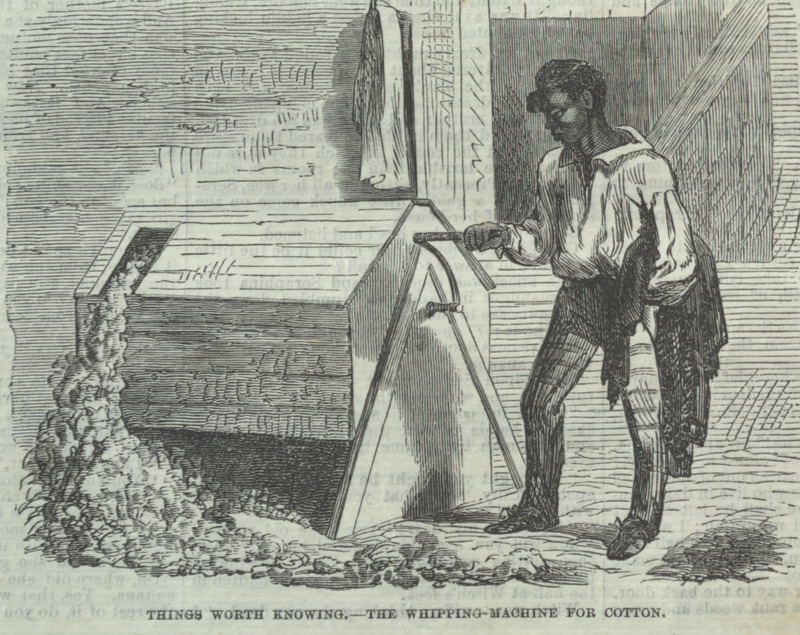
The transatlantic slave trade was central to the transformation of the American wilderness, yet this contribution has been largely written out of history. Enslaved Africans were brought to America by force and put to work clearing forests, draining swamps and cultivating the plantations that built the American economy. Their knowledge of land and agriculture, much of it rooted in West African farming traditions, shaped American land use in ways that are rarely acknowledged. Despite being the people most responsible for turning wilderness into productive land, enslaved people were denied any claim to it and excluded entirely from the narrative of frontier progress.
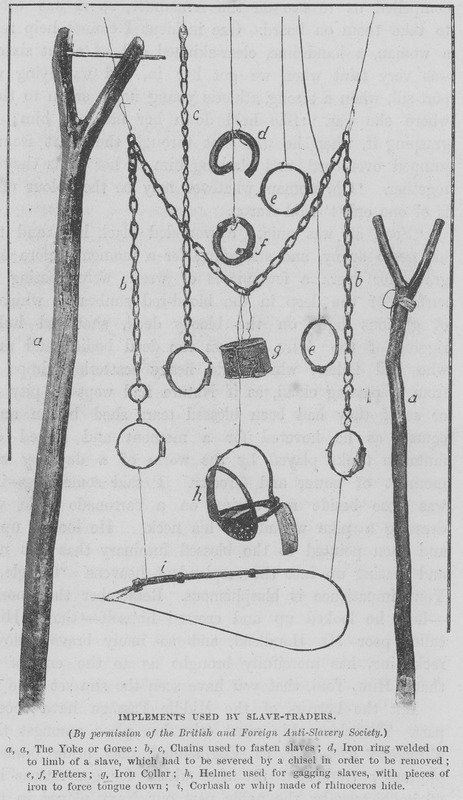
“The commodification of slave bodies symbolized the atrocities of antebellum society.”
In ‘Slavery and Forced Migration in the Antebellum South’ Damian Pargas focuses on the migration of slaves within the US, particularly before the Civil War. He analyses how a shift in population from the eastern seaboard to the south defined the explosive expansion of slavery in the nineteenth century, with the growth of the national market for slaves stimulating this movement.
There were also key economic undercurrents that propelled domestic slave migration, such as the influx in cotton production, with the product quickly becoming the US’ largest export and resulting in an insatiable demand for slave labour. Moreover the interstate movement of slaves both followed and fueled the geographic expansion of cotton, dragging more enslaved people into the southern regions.
This links with Westward expansion as the white settlers looked to convert the new frontiers into profitable cotton plantations, they often viewed this conversion to be limitless as the land they were converting was perceived to be limitless as it was vastly unknown, facilitating movement into the deep south. This was also made possible through the Louisiana Purchase of 1803, as it provided thousands of acres of new land to be converted. The abolition of the transatlantic slave trade in 1808 further fueled the drive for domestic migration as it meant companies in the south had to recruit slaves from the eastern seaboard rather than Africa.
Many slave holders in the East, particularly in the Chesapeake region which was a prominent slave area, were keen to “put their slaves into their pocket”, which essentially meant selling them to the deep south, further highlighting the economic undercurrents of forcible slave migration.
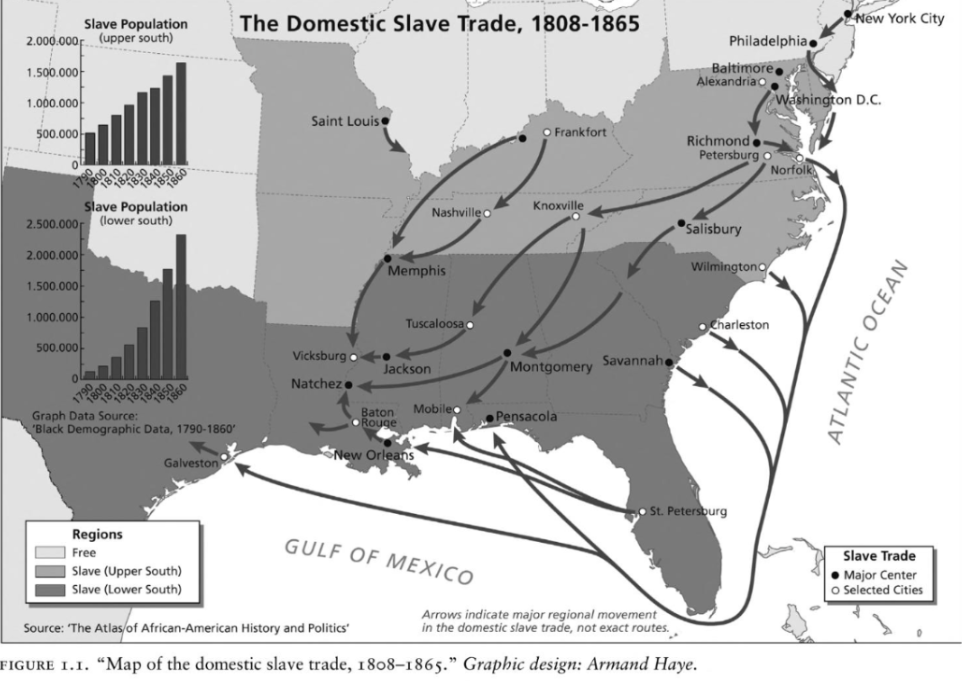
This map shows how slaves were primarily transported from the Eastern regions of Chesapeake and New York into the South and Deep south.
“A darkey’s worth a hundren dollars as soon as he kin holler- dat’s what the white folks say bout here”
quote from a Virginia slave to James Redpath, 1854
James Redpath was a Scottish immigrant who came to the US in 1850, he became deeply involved in the abolition movement and was a journalist who covered events in the south.