health
The Westward expansion had a striking impact on the health of immigrants and minority groups as a result of hazardous labour, malnutrition and exposure to new diseases.
Immigrant laborers were exposed to dangerous work environments which made them vulnerable to extreme health risks, while minority groups suffered the highest mortality rates due to “virgin soil” epidemics.
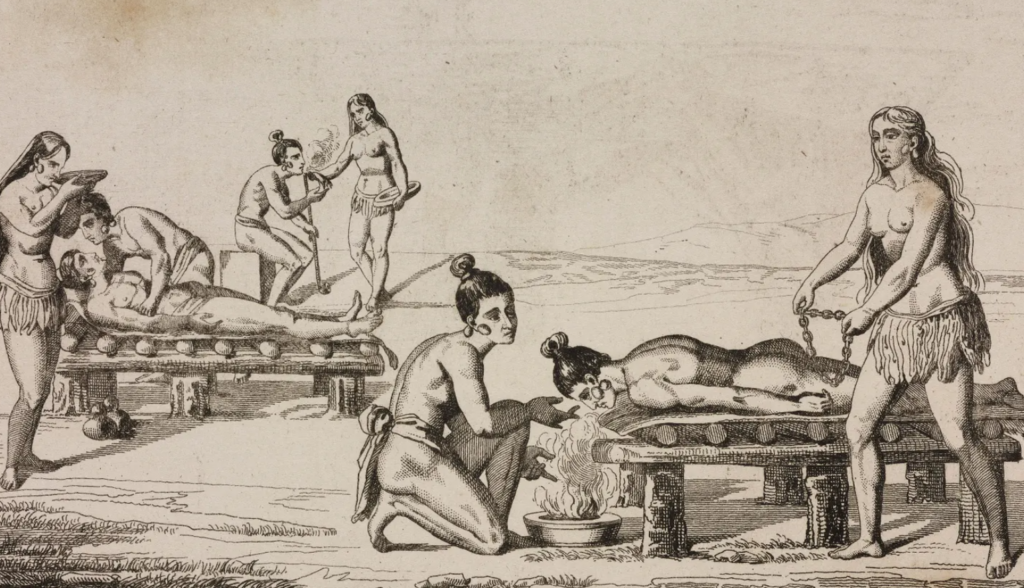
Douglas Jones has stated that it is ‘exceedingly common to read that Indians were “biologically defenseless” while Europeans had “almost universal immunity” to the diseases that devastated American” population. Since this however reasearch by Paul Kelton and James Rice underlined that ‘the spread of European and African diseases to the Americas was impeded by “the involuntary quarantine of an Atlantic crossing” and by the lack of continous contact between Indian nations”’. Before their ships finished its coure diseases such as influenza and smallpox would spread, and disregard for indigenous medicines meant that treatment was lacking.
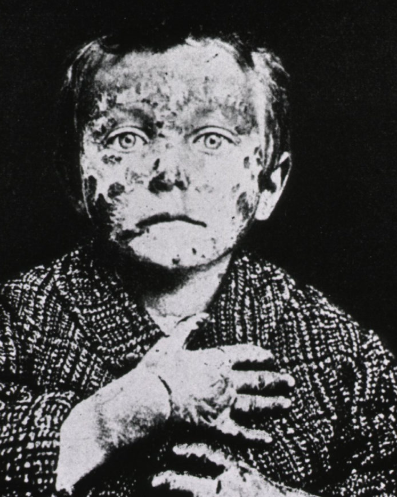
One major epidemic that had risen in the early 20th century in the American South as a result of both agricultural and economic conditions was pellagra, a severe nutritional disease that led to widespread malnutrition.
This condition was commonly known as the disease of the “four Ds”, which caused over 100,000 deaths in the US between 1900 and 1940. These four symptoms were Dermatitis, Diarrhoea, Dementia and Death.
The condition was caused by a diet of mostly maize that had been prepared in the wrong way, and a chronic deficiency of Vitamin B3 (niacin), primarily resulting from a heavy reliance on maize that had not undergone nixtamalization. There were indigenous populations in the Americas that thrived on a maize based diet, traditionally processing corn by soaking and cooking it in an alkaline solution, yet when the maize was introduced to the American South, the crucial step of nixtamalization was omitted. In the early 20th century modern milling techniques began removing the corn gem from flour to preserve it, however this process further reduced the marginal amount of vitamins and protein available in cornmeal leading to the pellagra epidemic.
Many farmers were left without access to produce that contruituted to a healthy diet as the expansion of the cotton economy overuled the growing diverse food crops, leaving workers reliant on a “3-M” diet; meat, molasses and meal, which was low in niacin. The heavy debt that hit the farmers also left them dependant on these nutrient-deficent foods.