case study: Trump’s America and ICE
The United States was built by immigrants. From the European settlers who claimed the frontier to the enslaved Africans brought by force, from the Chinese labourers who laid the railroads to the Irish women who worked in domestic service, every wave of migration left its mark on the land, the culture and the economy of America. To be American, for most people, is to descend from someone who came from somewhere else.
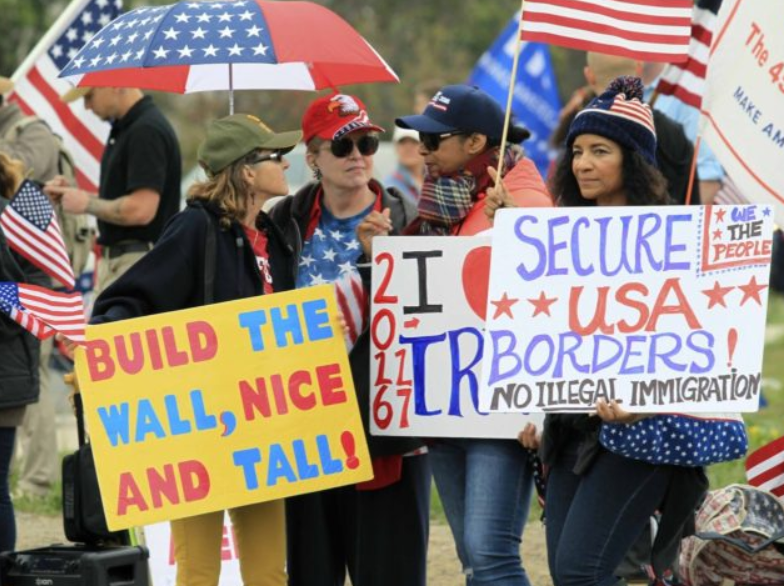
It is against this backdrop that the immigration policies of the Trump administration must be understood. The dramatic expansion of Immigration and Customs Enforcement, known as ICE, and the acceleration of mass deportation programmes have created a widespread climate of fear in immigrant communities across the country. Families have been separated, long-settled residents removed, and communities destabilised, all in the name of border security and national identity.
Yet the evidence is clear that immigration is not a threat to America but a cornerstone of it. Immigrants contribute enormously to the American economy, filling essential roles in agriculture, construction, healthcare and technology. They start businesses, pay taxes and enrich the cultural life of every city and region they settle in. Research consistently shows that immigration drives economic growth rather than undermining it.
This is the deep contradiction at the heart of modern American attitudes towards immigration. A country that celebrates its founding mythology of hard work, fresh starts and the frontier spirit continues to deny those same opportunities to the people arriving today seeking exactly what earlier generations sought.
Understanding the history of immigration to America is not just an academic exercise. It is a way of holding the present to account, of asking whether the country is living up to the values it claims to hold, and of recognising the human cost when it does not.