the contradiction of immigration
There is a striking irony at the centre of American attitudes towards immigration. The modern-day United States is a nation with little in the way of any ethnic or cultural origin of its own, built largely by people who arrived from elsewhere, and yet hostility towards immigrants has been a recurring feature of American life since the country’s earliest days. Each new wave of arrivals has faced suspicion, discrimination and calls for restriction, often from the very communities whose own parents or grandparents were once subjected to the same treatment.
The Irish were told they were undesirable. The Italians and eastern Europeans were considered racially inferior. The Chinese were legally excluded from citizenship for decades. Jewish refugees fleeing persecution in Europe were turned away. In every case, those already settled argued that the newcomers were too different, too foreign, too threatening to be absorbed into American life. In every case, they were wrong.
The communities that were once feared and resented went on to become woven into the fabric of American culture, contributing to its food, its music, its language, its politics and its economy in ways that are now considered inseparable from what America is. The grandmother who makes her family’s traditional recipe, the neighbourhood shaped by a particular immigrant community, the public figures whose names betray origins from every corner of the globe, all of these are the product of the immigration that some now seek to stop.
To stand against immigration in America is, in most cases, to stand against the story of one’s own family. It is to pull up the ladder that others climbed before you, to deny to someone else the opportunity that made your own life possible. The history of America does not allow for the luxury of forgetting where it came from.
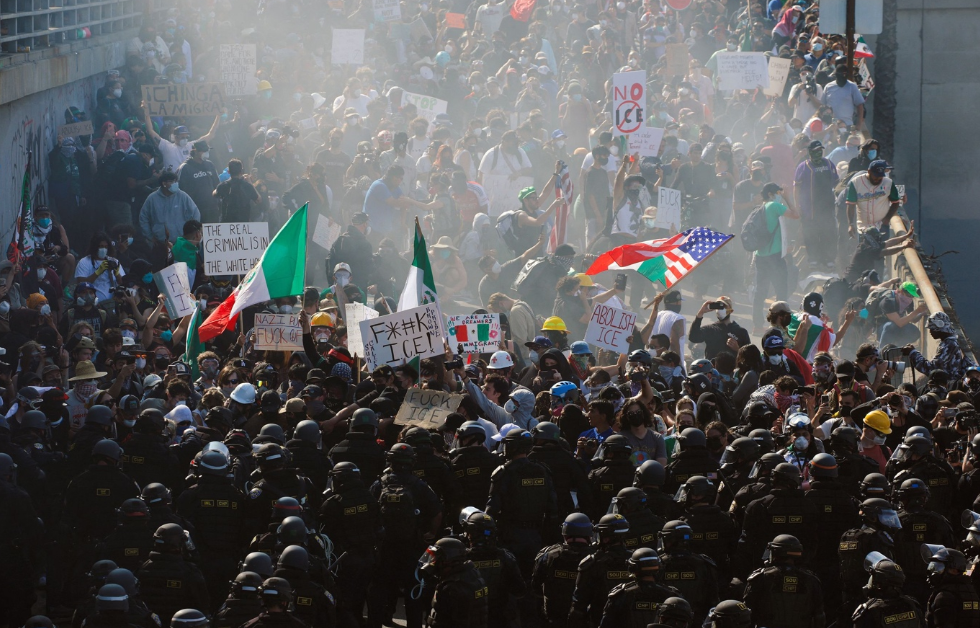
Bigotry is dividing America now more than ever.