origins
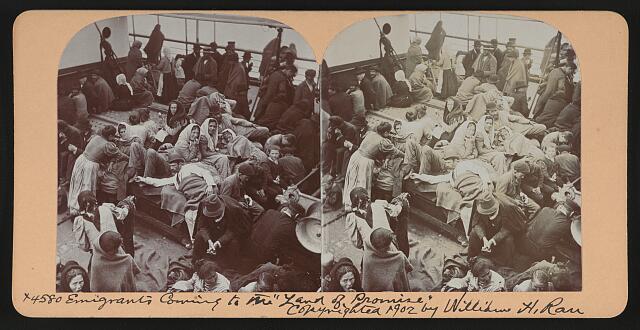
During the 1800s, millions of immigrants travelled to United States from across Europe and Asia in search of economic opportunity, religious freedom, and political stability.
Large numbers arrived from Ireland during the Irish Potato Famine of the 1840s, while many migrants from Germany fled political unrest and economic hardship following the revolutions of 1848. Later in the century, increasing numbers of immigrants came from southern and eastern Europe, including Italy and parts of the Russian Empire. Migrants from China also travelled to America, particularly during the California Gold Rush and the construction of the transcontinental railroad. Immigration played a major role in shaping American society and supporting industrial growth, although many immigrants also faced discrimination and poor living conditions upon arrival.
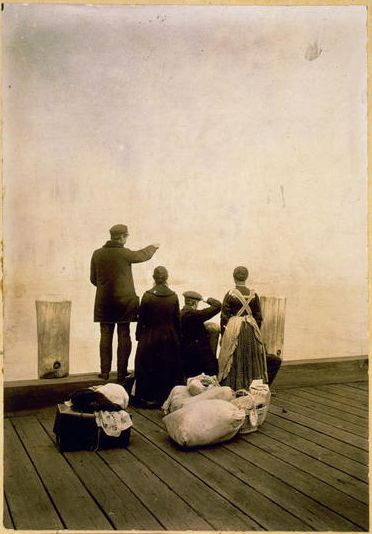


Many immigrants travelled to United States by steamship, enduring long and difficult journeys across the Atlantic or Pacific Oceans. Earlier in the nineteenth century, crossings could take several weeks in overcrowded and unsanitary conditions, although improvements in steam-powered transport gradually reduced travel times later in the century. Most poorer migrants travelled in steerage class, where food, space, and hygiene were limited, leading to illness and high levels of discomfort during the voyage. Upon arrival, many immigrants entered through ports such as Ellis Island, where they underwent medical and legal inspections before being allowed into the country. Despite the hardships of the journey, many immigrants viewed America as a place of opportunity and were willing to endure dangerous conditions in the hope of achieving a better life.