case study: J.W Powell’s expedition
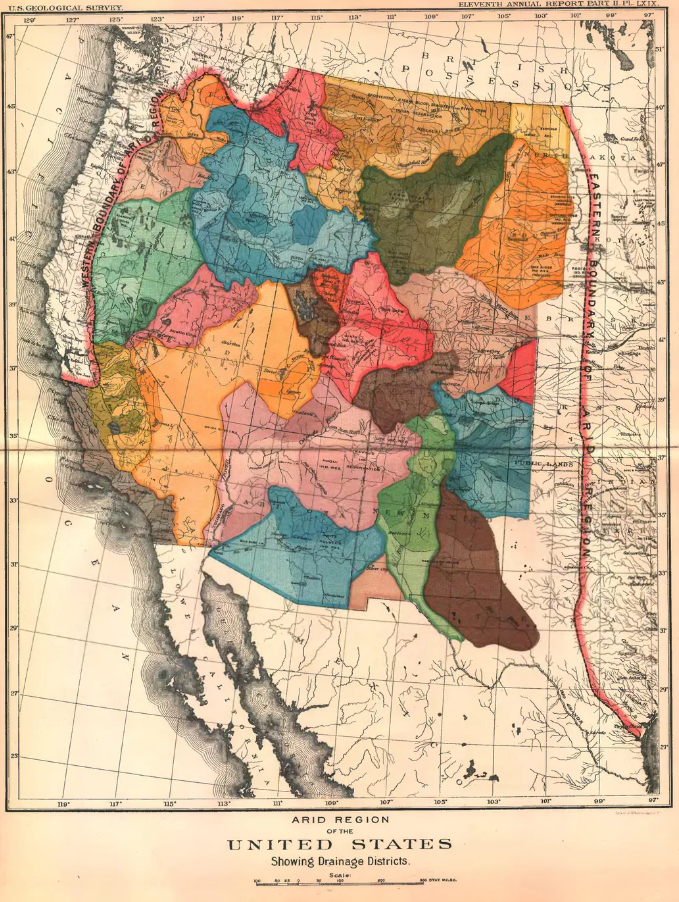
The great exploration of the Powell expedition in 1869, consisted of an expedition that travelled through the Colorado River and the Grand Canyon; this was largely unmapped at the time.
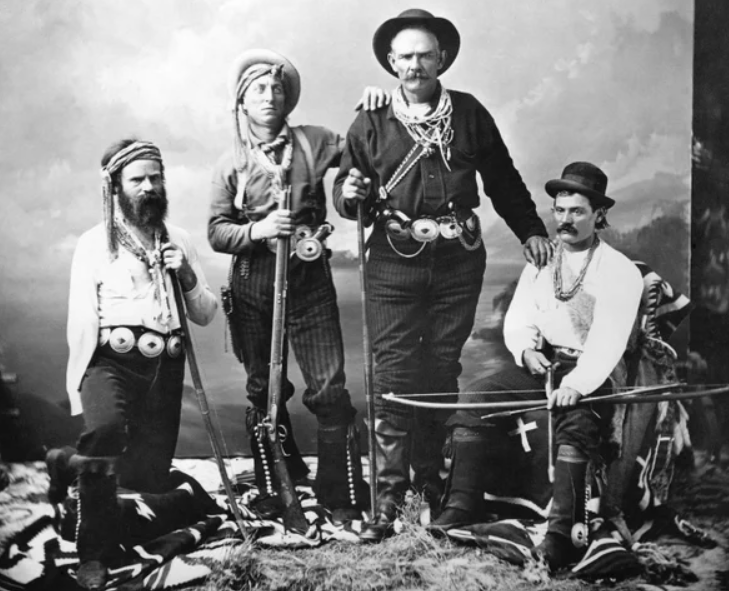
The frontier ideology is seen to have clearly encouraged the conquering and transformation of the wilderness as Powell and his team were glorified for epitomising white American frontier values. These white men were painted as heroic explorers and the example of men who align with the Manifest Destiny ideology however, morally this expedition appeared more complex. The frontier culture mythicised Powell’s expedition, shown in the fact Indigenous peoples already inhabited these supposedly untouched spaces.
The expedition also involved mass environmental exploitation as the mapping encouraged the expansion of railroads and mining settlements. As well as this, the expedition was romanticised significantly with several crew members deserting or being killed during the expedition dismembering the exaggerated frontier narrative.