the role of identity
The frontier also played a central role in shaping how Americans saw themselves. The idea of rugged individualism, the belief that hard work, self-reliance and determination were the keys to success, was deeply tied to the experience of frontier life.
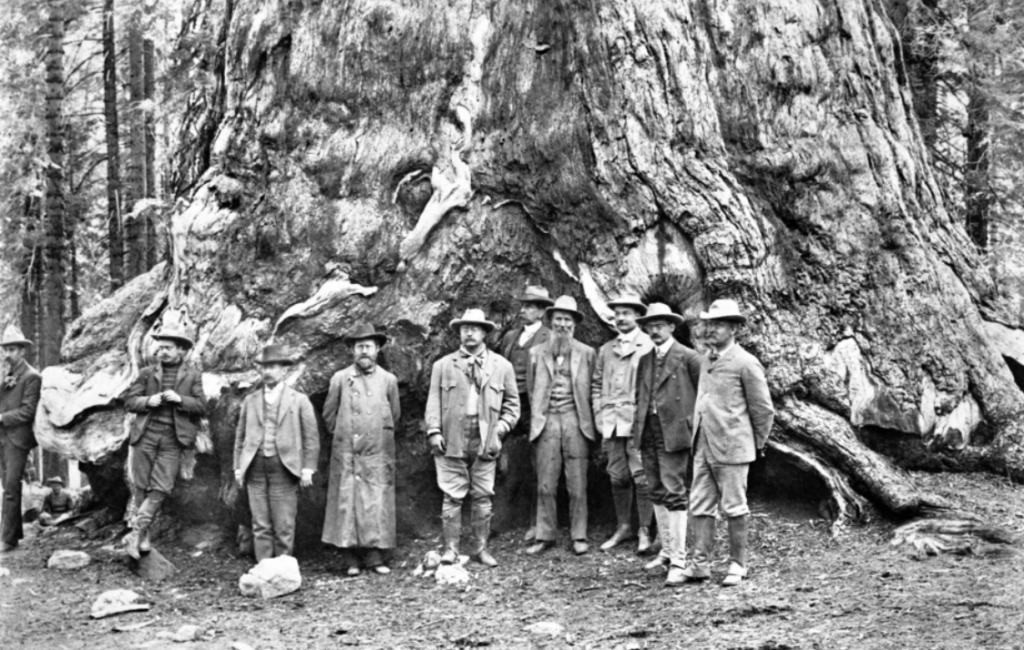
Theodore Roosevelt was one of its loudest champions, arguing that the challenges of wilderness living built strength of character and made men capable and resilient. John Muir approached the wilderness differently, campaigning for its preservation rather than its conquest, but shared the belief that wild landscapes were fundamental to the American spirit.
The frontier was seen not simply as land to be settled and farmed, but as the place where a distinct American identity was forged. This idea influenced politics, culture and conservation efforts well into the twentieth century, most visibly in Roosevelt’s establishment of the national parks system, the rise of wilderness literature and art, and the growing movement to protect what remained of the natural landscape from industrial expansion.